Hey there! I’m a supplier of fire extinguishers, and today I wanna talk about how fire extinguishers work on Class D fires. Now, Class D fires are a bit different from your typical fires, and understanding how to tackle them is super important. Fire Extinguisher

What are Class D Fires?
First things first, let’s get clear on what Class D fires are. These fires involve combustible metals like magnesium, titanium, sodium, potassium, and lithium. These metals are often used in industrial settings, like in metalworking shops, foundries, and some chemical manufacturing plants.
The problem with these metals is that they burn at extremely high temperatures. For example, magnesium can burn at around 3,100 degrees Celsius. And regular water or foam extinguishers won’t work on them. In fact, using water on a Class D fire can make things worse. Water can react with some of these metals, like sodium and potassium, and cause an explosion or release flammable hydrogen gas.
How Do Class D Fire Extinguishers Work?
So, how do we put out these tricky Class D fires? Well, Class D fire extinguishers are specifically designed to deal with combustible metal fires. They work in a few different ways, and it all boils down to cutting off the fire’s oxygen supply and cooling the burning metal.
1. Smothering the Fire
One of the main ways Class D fire extinguishers work is by smothering the fire. They use a special dry powder agent that forms a blanket over the burning metal. This blanket cuts off the oxygen supply to the fire, which is one of the three elements needed for a fire to burn (the other two are fuel and heat).
The dry powder agent in Class D fire extinguishers is usually made up of materials like sodium chloride, graphite, or copper-based powders. These powders are non-flammable and can withstand the high temperatures of the burning metal. When you discharge the extinguisher, the powder is released in a cloud that settles over the fire, smothering it and preventing oxygen from reaching the burning metal.
2. Cooling the Metal
Another important aspect of Class D fire extinguishers is their ability to cool the burning metal. As I mentioned earlier, combustible metals burn at very high temperatures, and simply cutting off the oxygen supply isn’t always enough. The high heat can cause the metal to continue burning even if there’s no oxygen present.
The dry powder in Class D fire extinguishers has a cooling effect on the burning metal. It absorbs some of the heat, reducing the temperature of the metal and making it less likely to keep burning. This cooling effect is crucial in preventing the fire from reigniting after it’s been extinguished.
3. Preventing Reactions
Some combustible metals can react with other substances, especially water. As I said before, using water on a Class D fire can be dangerous. Class D fire extinguishers are designed to prevent these reactions from happening. The dry powder agent acts as a barrier between the burning metal and any potential reactants, ensuring that the fire doesn’t spread or cause further damage.
Types of Class D Fire Extinguishers
There are a few different types of Class D fire extinguishers available, each designed for specific types of combustible metals.
1. Sodium Chloride-Based Extinguishers
These are the most common type of Class D fire extinguishers. Sodium chloride (table salt) is a great agent for extinguishing fires involving magnesium, sodium, and potassium. It forms a crust over the burning metal, smothering the fire and preventing oxygen from reaching it.
2. Graphite-Based Extinguishers
Graphite is a good choice for fires involving titanium and zirconium. It has excellent heat resistance and can quickly cool the burning metal. Graphite-based extinguishers work by forming a layer of graphite on the surface of the metal, which cuts off the oxygen supply and reduces the temperature.
3. Copper-Based Extinguishers
Copper-based extinguishers are used for fires involving lithium and other reactive metals. Copper has a high melting point and can withstand the extreme temperatures of these fires. The copper powder forms a protective layer over the burning metal, preventing oxygen from reaching it and cooling the metal down.
Using a Class D Fire Extinguisher
Using a Class D fire extinguisher is a bit different from using other types of extinguishers. Here’s a step-by-step guide on how to use one:
- Identify the Fire: Make sure you’re dealing with a Class D fire. Look for signs of burning metal, such as bright flames, intense heat, and the presence of combustible metals in the area.
- Choose the Right Extinguisher: Select the appropriate Class D fire extinguisher for the type of metal involved. Check the label on the extinguisher to make sure it’s suitable for the specific metal you’re dealing with.
- Stand Back: Class D fires can be very dangerous, so it’s important to stand at a safe distance. Follow the manufacturer’s instructions for the recommended distance.
- Discharge the Extinguisher: Pull the pin on the extinguisher and aim the nozzle at the base of the fire. Squeeze the handle to release the dry powder. Sweep the nozzle from side to side to cover the entire area of the fire.
- Monitor the Fire: After extinguishing the fire, keep an eye on it to make sure it doesn’t reignite. Some combustible metals can continue to smolder for a while, so it’s important to be vigilant.
Why You Need a Class D Fire Extinguisher
If you work in an industry that uses combustible metals, having a Class D fire extinguisher on hand is essential. These fires can spread quickly and cause significant damage, so it’s important to be prepared.
Using the wrong type of extinguisher on a Class D fire can not only be ineffective but also dangerous. That’s why it’s crucial to have the right equipment for the job.
As a fire extinguisher supplier, I can help you choose the right Class D fire extinguisher for your needs. Whether you’re a small business or a large industrial facility, I have a wide range of options to suit your requirements.
Contact Us for Class D Fire Extinguishers
If you’re in the market for a Class D fire extinguisher, don’t hesitate to get in touch. I can provide you with all the information you need about our products, including their features, specifications, and pricing.
We also offer installation and maintenance services to ensure that your fire extinguishers are always in good working condition. Our team of experts can help you with everything from choosing the right extinguisher to training your employees on how to use it safely.
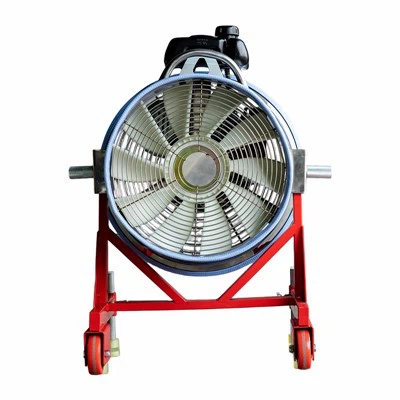
Fire Exhaust Fan So, if you’re looking for reliable Class D fire extinguishers, give me a call or send me an email. I’d be happy to discuss your needs and find the perfect solution for you.
References
- NFPA 10: Standard for Portable Fire Extinguishers
- OSHA Fire Safety Regulations
- Manufacturer’s Instructions for Class D Fire Extinguishers
Taizhou Mingxin Fire Protection Technology Co., Ltd.
As one of the most professional fire extinguisher manufacturers in China, we warmly welcome you to buy bulk high quality fire extinguisher made in China here from our factory. Good service and low price are available.
Address: Group 3, Xinzhouqiao Community, Jingtai Road Subdistrict, Hailing District, Taizhou City (within Taizhou Station North Logistics Management Co., Ltd.)
E-mail: mingxinxf@163.com
WebSite: https://www.mxfiretech.com/
