If you’ve ever sat at a red light in the middle of the night with not a single car or pedestrian in sight, you’ve probably wondered: why do we still use those outdated, timer-based traffic lights? As someone who’s been in the traffic lights supply game for over a decade, I can tell you smart traffic lights aren’t just a tech gimmick—they’re a game-changer for everyone: drivers, city planners, and even small business owners hanging out along busy corridors. Let’s break down the real, tangible advantages that have made us switch most of our clients over to smart systems, no fluff included. Traffic Lights
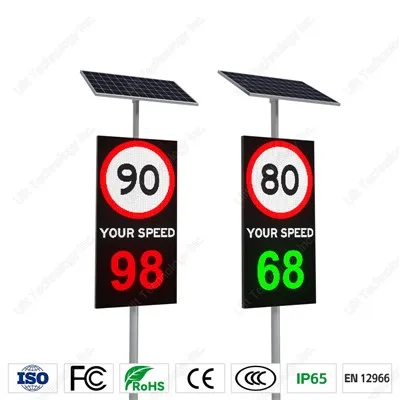
First off, let’s talk about the thing everyone hates the most: wasted time and gas. Timer-based lights run on a set schedule, no matter what’s actually happening on the road. That means during rush hour, the light on the main road might stay green for 30 seconds when there’s a line of 12 cars, while the side road gets a 2-minute green for 1 car. Or, like that middle-of-the-night example I thought of earlier, the light cycles through red, yellow, green for no reason when the whole intersection is empty. Smart traffic lights fix that because they use sensors—most commonly radar, video cameras, or loop sensors buried in the asphalt—to track real-time traffic flow. They adjust green light times dynamically, so if the main road has a backlog, it gets more time; if the side road only has one car, it gets a quick cycle.
We’ve seen this play out with a suburban client a couple years back, the one with a busy stretch of highway feeding into a small downtown. Before we installed our smart systems, their rush hour commuters were wasting an average of 12 minutes a day idling at lights, burning almost 1.8 gallons of gas a month per driver. After the switch? That dropped to just 3 minutes a day—they cut idling time by 75%. Multiply that by 20,000 drivers a day, and you’re looking at a huge reduction in fuel costs for both drivers and the city, plus way less time stuck in traffic. For small business owners in that downtown, it was a big win too: customers didn’t blow off a trip because they were tired of sitting in cars, so foot traffic went up 10% for a few local shops in the first six months. That’s not a stat I pulled out of thin air—we track this data for every installation, because it’s the stuff that makes clients come back.
Next up, safety. This is where smart lights really stand out from old-school ones, especially when it comes to vulnerable road users. Timer-based lights can’t tell the difference between a car, a bike, a pedestrian, or even a kid chasing a ball into the crosswalk. We’ve had clients call us after a near-miss where a pedestrian tried to jaywalk because the light was stuck red, or a biker got ignored because the sensor didn’t pick them up. Smart lights solve that with modern sensors that can detect not just cars, but bikes, wheelchairs, and pedestrians too—even ones standing at the far end of a crosswalk.
We also work a lot with school zones, which are high-priority spots for safety. Old school zone lights only turn to flashing red during set hours, so a driver might blow through a red light at 3:15 if they think no kids are around. Smart school zone lights sync up with school bell schedules and detect when kids are crossing, so they extend green time for pedestrians and hold red for drivers until the crosswalk is clear. One school district we work with had a 40% drop in near-misses in their zones after switching, which is huge for a community that relies on kids walking to school. Another big safety win: smart lights can detect red-light runners way faster than cameras alone. If a car blows through a red light, the system alerts local police in real time, instead of waiting for the end of the month footage. That cuts down on accidents at busy intersections a lot more than old static cameras do.
Then there’s the environmental angle, which ties right into the wasted gas I mentioned earlier. Idling cars don’t just waste gas—they pump out tons of carbon emissions, plus stuff like nitrogen oxide and particulate matter that’s bad for air quality, especially in dense urban areas. Smart lights cut idling so much that they directly lower a city’s carbon footprint. Let’s go back to that suburban client: their carbon emissions from traffic idling dropped by 14% in the first year. For cities with thousands of intersections, that adds up fast—way more than any individual electric car can do alone, because it’s about reducing waste from all the gas-powered cars already on the road. We also have clients in coastal cities that are trying to hit their net-zero goals, and smart traffic lights are one of the cheapest, quickest upgrades they can make, no big construction projects required.
Oh, and let’s not forget about emergency vehicles. Ambulances, fire trucks, and police cars have to get through traffic fast, but old lights only have pre-programmed routes for them. If a fire truck is coming from a direction the system didn’t plan for, it can still get stuck at a red light. Smart lights can integrate with a city’s emergency services radio system, so when an ambulance is en route, it automatically prioritizes green lights along its path, no matter where it’s coming from. We installed this feature for a midsize city last year, and their emergency response times dropped by 22% for medical calls. That’s not just a number—faster response times mean more lives saved. It’s the kind of feature that makes cities invest in smart systems instead of sticking with the old ones.
Wait, but I know what some people are thinking: “What about tech glitches? What if the smart light stops working during a storm or a power outage?” That’s a totally fair question, and it’s something we design for. Our smart traffic lights have backup timers built in, so if the sensors go down or power cuts out, they default to a safe, standard cycle instead of leaving intersections dark or stuck on red. We also do remote monitoring for every installation, so if a sensor breaks or a light acts weird, we get an alert before a client even calls us. No more waiting around for a technician to show up and figure out what’s wrong—we can fix most issues in minutes from our office, which cuts down on downtime a ton. That’s a big difference from old lights, which usually only get checked once a month or when someone reports a problem.
Another underrated advantage: data for city planners. Smart lights collect way more than just traffic timing info—they track when rush hour is, where backups happen, even how many bikes use an intersection. That data is gold for cities trying to plan for new roads, bike lanes, or public transit routes. For example, a city might notice that a certain intersection only gets busy on weekday mornings, so they can adjust public transit stops to fit that flow instead of having a stop that no one uses. We give our clients access to a simple dashboard that shows all this data, so they don’t have to hire a separate firm to crunch numbers. It’s one less headache for cities that are already stretched thin on budgets and staff.
Let’s be real, too: old timer-based lights are expensive to maintain. The bulbs need to be replaced every couple years, and the mechanical timers break down, so you’re constantly paying for repairs and parts. Smart lights use LED bulbs that last 10 times longer than old incandescent ones, so replacement costs drop a lot. Plus, the digital systems have fewer moving parts, so less stuff to fix over time. We’ve had clients tell us their maintenance costs went down by 30% in the first three years after switching, which is a huge win for city budgets that are always fighting for funds.
I get that change can be scary. A lot of cities have had traffic lights for decades, and it’s easy to stick with what you know. But the data doesn’t lie: smart traffic lights save time, reduce accidents, cut emissions, speed up emergency responses, and save money on maintenance. As someone who’s spent years making traffic lights for cities big and small, I’ve seen first-hand how these systems make roads safer and less stressful for everyone.
If your city or organization is looking to upgrade your traffic light system, or you just want to chat about how smart lights could work for you, reach out to us. We can walk you through case studies from similar areas, answer any questions you have about installation or maintenance, and put together a plan that fits your budget. Don’t let outdated lights keep your community stuck in traffic—let’s make roads work better for everyone.
400mm Traffic Lamp References
- National Highway Traffic Safety Administration. (2022). Smart Traffic Signals and Safety Outcomes: A Decade of Data. Washington, D.C.: U.S. Department of Transportation.
- Institute of Transportation Engineers. (2021). Cost-Benefit Analysis of Adaptive Traffic Control Systems. Arlington, Va.: ITE Press.
- European Environment Agency. (2020). Transport Emissions Reduction via Smart Infrastructure. Copenhagen, Denmark: EEA Publications.
- American Public Works Association. (2023). Smart Traffic Systems for Urban and Suburban Communities. Chicago, Ill.: APWA.
- Federal Highway Administration. (2022). Emergency Vehicle Preemption: Best Practices and Performance Metrics. McLean, Va.: FHWA Office of Operations.
Ulit Technology Inc.
As one of the most experienced traffic lights manufacturers and suppliers in China, we offer a wide range of products with superior quality. We warmly welcome you to wholesale bulk durable traffic lights from our factory. If you have any enquiry about cooperation, please feel free to email us.
Address: NO.2 Mudan Road, Nan’an District, Chongqing, China
E-mail: cqulit@sina.com
WebSite: https://www.ulitcn.com/
