As a supplier of pneumatic linear actuators, I’ve witnessed firsthand the pivotal role these devices play across diverse industrial applications. Their efficiency in converting compressed air energy into linear motion makes them a staple in industries ranging from manufacturing and automation to packaging and automotive. However, achieving optimal performance and longevity from a pneumatic linear actuator requires regular maintenance. In this blog, I’ll share some essential tips on how to maintain a pneumatic linear actuator, ensuring it runs smoothly and reliably for years to come. Pneumatic Linear Actuator
Understanding the Basics of Pneumatic Linear Actuators
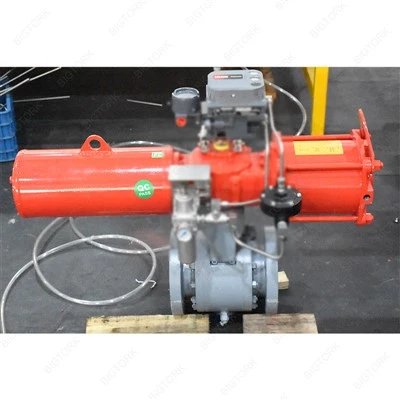
Before diving into maintenance tips, it’s crucial to have a basic understanding of what a pneumatic linear actuator is and how it works. A pneumatic linear actuator is a mechanical device that uses compressed air to generate linear motion. It typically consists of a cylinder, piston, rod, and various seals and valves. When compressed air is introduced into the cylinder, it pushes the piston, which in turn moves the rod linearly. This simple yet effective design makes pneumatic linear actuators a popular choice for many industrial applications due to their high speed, force, and reliability.
Regular Inspection
Regular inspection is the cornerstone of any effective maintenance program for pneumatic linear actuators. Inspecting the actuator at regular intervals allows you to identify potential issues early on, preventing costly breakdowns and ensuring minimal downtime.
- Visual Inspection: Begin with a thorough visual inspection of the actuator. Check for any signs of physical damage, such as dents, scratches, or cracks on the cylinder body, piston rod, or end caps. These damages can compromise the integrity of the actuator and lead to leaks or reduced performance.
- Seal Inspection: Inspect the seals for signs of wear, damage, or leakage. Seals are critical components that prevent air leakage and ensure proper operation of the actuator. Look for signs of dryness, cracking, or extrusion of the seals. Replace any worn or damaged seals immediately to prevent air leaks and loss of performance.
- Connection Inspection: Check all the connections, including air fittings, tubing, and electrical connections (if applicable). Ensure that all connections are tight and free from leaks. Loose connections can cause air leaks, which not only reduce the efficiency of the actuator but also increase energy consumption.
Lubrication
Proper lubrication is essential for the smooth operation of a pneumatic linear actuator. Lubrication reduces friction between moving parts, minimizes wear and tear, and extends the lifespan of the actuator.
- Use the Right Lubricant: Select a high-quality lubricant specifically designed for pneumatic actuators. Consult the manufacturer’s recommendations to ensure you’re using the correct lubricant for your actuator model. Avoid using lubricants that contain silicone or other substances that can damage the seals.
- Lubrication Frequency: Follow the manufacturer’s guidelines for lubrication frequency. Typically, pneumatic linear actuators require periodic lubrication, especially if they’re operating in high-speed or high-load applications. Over-lubrication can also be detrimental, as it can attract dirt and debris, leading to clogged valves and reduced performance.
Air Quality
The quality of the compressed air used to power the pneumatic linear actuator has a significant impact on its performance and longevity. Contaminated air can cause damage to the internal components of the actuator, leading to premature wear and failure.
- Filtration: Install high-quality air filters in the pneumatic system to remove dirt, dust, and other contaminants from the compressed air. Regularly clean or replace the filters to ensure optimal performance.
- Moisture Removal: Moisture in the compressed air can cause corrosion and rust inside the actuator, leading to reduced performance and premature failure. Use air dryers or moisture separators to remove moisture from the compressed air.
- Pressure Regulation: Maintain a stable and consistent air pressure within the recommended range for the actuator. Fluctuations in air pressure can cause the actuator to operate erratically and increase wear on the internal components.
Cleaning
Regular cleaning of the pneumatic linear actuator helps to prevent the accumulation of dirt, dust, and debris, which can affect its performance and reliability.
- External Cleaning: Use a clean, dry cloth to wipe down the exterior of the actuator regularly. Remove any dirt, dust, or debris that may have accumulated on the surface. Avoid using abrasive cleaners or solvents that can damage the actuator’s finish.
- Internal Cleaning: Periodically clean the internal components of the actuator, such as the cylinder, piston, and valves. Use a suitable cleaning solution recommended by the manufacturer to remove any dirt, oil, or debris. Be careful not to damage the seals or other sensitive components during the cleaning process.
Troubleshooting
Despite regular maintenance, pneumatic linear actuators may still experience occasional issues. Knowing how to troubleshoot common problems can help you quickly identify and resolve issues, minimizing downtime and reducing repair costs.
- Slow or Inconsistent Movement: If the actuator is moving slowly or inconsistently, check for air leaks, clogged filters, or low air pressure. Inspect the seals and valves for damage or wear and replace any faulty components as needed.
- Excessive Noise or Vibration: Excessive noise or vibration can indicate a problem with the actuator’s mounting, alignment, or internal components. Check the mounting bolts to ensure they’re tight and the actuator is properly aligned. Inspect the piston, rod, and bearings for wear or damage and replace any worn parts.
- Leakage: Air leakage is a common problem in pneumatic linear actuators. Check all the connections, seals, and valves for leaks. Use a soapy water solution to detect leaks, as bubbles will form at the site of the leak. Tighten any loose connections or replace any worn or damaged seals.
Training and Documentation
Proper training of maintenance personnel is essential for ensuring the effective maintenance of pneumatic linear actuators. Provide comprehensive training on the operation, maintenance, and troubleshooting of the actuators to your maintenance staff.
- Training Programs: Develop training programs that cover all aspects of pneumatic linear actuator maintenance, including inspection, lubrication, cleaning, and troubleshooting. Use hands-on training sessions and real-world examples to ensure that your maintenance staff understands the concepts and procedures.
- Documentation: Maintain detailed documentation of all maintenance activities, including inspection reports, lubrication schedules, and repair records. This documentation will help you track the maintenance history of each actuator, identify trends, and plan for future maintenance needs.
Conclusion

Maintaining a pneumatic linear actuator is essential for ensuring its optimal performance, reliability, and longevity. By following the tips outlined in this blog, you can keep your pneumatic linear actuators in top condition, minimize downtime, and reduce repair costs. Remember, regular inspection, proper lubrication, clean air, and timely troubleshooting are the keys to successful maintenance.
Hydraulic Actuator If you’re interested in learning more about our high-quality pneumatic linear actuators or have any questions regarding maintenance or application, we’d love to hear from you. Feel free to reach out to us to start a conversation about your specific needs and how our products can meet them.
References
- Pneumatic Systems Handbook, various industry experts
- Manufacturer’s manuals and technical documents for pneumatic linear actuators
- Industry standards and best practices for pneumatic actuator maintenance
Zhejiang Bigtork Valve Automation Co., Ltd.
Zhejiang Bigtork Valve Automation Co., Ltd. is one of the leading pneumatic linear actuator manufacturers and suppliers in China. We warmly welcome you to buy customized pneumatic linear actuator at competitive price from our factory. Contact us for more details.
Address: 98 Yuanqu Avenue,Anfeng Industrial Zone,Oubei,Yongjia,Zhejiang,China.
E-mail: sales@bigtork.com
WebSite: https://www.bigtork.com/
