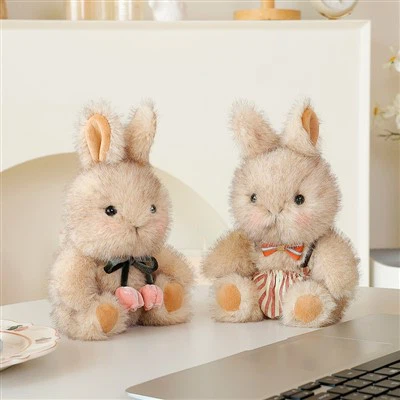
Stuffed animals, those cuddly companions that warm our hearts and bring joy to people of all ages, have a fascinating production process. As a seasoned stuffed animal supplier, I’m excited to share with you the ins and outs of how these beloved creatures come to life. Stuffed Animal
Design Phase
The journey of a stuffed animal begins with a creative spark – the design phase. Our team of talented designers starts by researching market trends, conducting surveys, and gathering inspiration from various sources such as nature, children’s stories, and pop culture. We consider factors like target age groups, consumer preferences, and the latest fashion elements to ensure our designs are not only appealing but also market – relevant.
Once an idea is conceived, the designers use specialized software to create detailed 2D drawings of the stuffed animal. These drawings outline the shape, proportions, and features of the toy, including the placement of eyes, nose, mouth, and any other unique markings. Every little detail is carefully planned, from the curvature of the ears to the size of the paws.
After the 2D design is finalized, a prototype is handmade. This physical model allows us to assess the overall look and feel of the stuffed animal. We can adjust the shape, add or remove details, and make sure that the toy stands up to the expectations set by the design. The prototype serves as a reference for the entire production process.
Material Selection
Selecting the right materials is crucial for the quality, safety, and durability of stuffed animals. For the outer fabric, we have a wide range of options. Soft plush fabrics are the most popular choice as they give the stuffed animals a cuddly and huggable texture. These plush materials come in different colors, patterns, and pile lengths, allowing us to create a diverse range of toys.
We also use other fabrics such as cotton, fleece, and satin for specific design elements. Cotton is often used for lining or for creating more natural – looking features. Fleece can add a cozy and warm touch, while satin can be used for accents or to create a more elegant look.
When it comes to the stuffing material, safety is our top priority. We primarily use polyester fiberfill, which is hypoallergenic, non – toxic, and lightweight. This stuffing provides a soft and fluffy feel, making the stuffed animals comfortable to hold and squeeze. In some cases, we may also use other materials like foam or beans for specific design requirements, such as creating a weighted or more rigid part of the toy.
All our materials are carefully sourced from reliable suppliers. We conduct strict quality checks to ensure that they meet international safety standards, such as ASTM (American Society for Testing and Materials) in the United States and EN71 in Europe.
Cutting and Sewing
Once the materials are selected, the cutting process begins. The fabric is laid out in layers on a large cutting table, and patterns are placed on top. These patterns are carefully traced and cut using either manual scissors or automated cutting machines, depending on the volume of production. The cutting process requires precision to ensure that each piece of fabric is the correct size and shape.
After the fabric pieces are cut, they are ready for sewing. Skilled seamstresses and tailors use industrial sewing machines to stitch the pieces together. The sewing process is divided into several steps. First, the main body of the stuffed animal is sewn, leaving an opening for stuffing. Then, any additional features such as arms, legs, ears, and tails are sewn onto the body.
Special attention is paid to the seams to ensure they are strong and durable. Reinforced stitching is used in areas that will experience more stress, such as joints and attachment points. We also take care to create smooth and even seams to give the stuffed animal a professional and polished look.
Stuffing and Assembly
With the sewn body ready, it’s time for stuffing. The stuffing material is carefully inserted through the opening in the body using a stuffing machine or by hand. The amount of stuffing is crucial – too little, and the toy will be flat and unappealing; too much, and it may become too rigid. Our workers are trained to achieve the perfect balance, ensuring that each stuffed animal has a soft and plump appearance.
Once the stuffing is complete, the opening is closed using either a sewing machine or by hand – stitching. This step requires precision to make sure the closure is invisible and seamless.
Next, the assembly of additional features takes place. Eyes, noses, and mouths are attached using a variety of methods. For plastic eyes and noses, they are usually secured with a washer on the inside of the fabric to prevent them from coming loose. Fabric – based features, such as embroidered or appliquéd patterns, are carefully added to enhance the character of the stuffed animal.
Quality Control
Quality control is an integral part of the production process. At every stage, from material inspection to the final product, we have a team of quality control experts who conduct thorough checks. They examine the stuffed animals for any defects, such as loose threads, uneven stitching, or misaligned features.
We also perform safety tests on a regular basis. These tests include checking the strength of attachments, ensuring that there are no small parts that could pose a choking hazard, and verifying the flammability of the materials. Only after passing all the quality and safety checks are the stuffed animals approved for packaging and shipment.
Packaging
The final step in the production process is packaging. We use a variety of packaging materials to protect the stuffed animals during transportation and storage. Clear plastic bags are commonly used to provide a clean and visible presentation of the toy. We also add labels that include important information such as the name of the stuffed animal, care instructions, and safety warnings.
For retail – ready products, we may use more elaborate packaging, such as boxes with colorful graphics and branding. This not only protects the toy but also makes it more attractive to consumers on the store shelves.
Why Choose Our Stuffed Animals?
As a stuffed animal supplier, we take pride in our craftsmanship and commitment to quality. Our products are made with the highest – quality materials and undergo strict quality control procedures to ensure they meet the highest standards. We offer a wide range of designs, from classic teddy bears to trendy characters, to meet the diverse needs of our customers.

Whether you are a retailer looking to stock your shelves with unique and high – quality stuffed animals, a wholesaler seeking reliable products for your business, or an individual interested in purchasing a special gift, we have the perfect solution for you. Our competitive pricing, fast turnaround times, and excellent customer service make us the preferred choice for many in the industry.
Custom Plush If you are interested in learning more about our stuffed animals or would like to discuss a potential purchase, please feel free to contact us. We are always happy to answer your questions and work with you to find the best products for your needs.
References
- ASTM International. (2023). ASTM F963 – 17 Standard Consumer Safety Specification for Toy Safety.
- European Committee for Standardization. (2022). EN 71 – Safety of toys – Part 1: Mechanical and physical properties.
Yangzhou Beyman Toys Co., Ltd.
We are one of the most professional stuffed animal manufacturers and suppliers in China, specialized in providing high quality custom service and OEM&ODM service. We warmly welcome you to wholesale bulk stuffed animal made in China here from our factory.
Address: Room 305, North Bldg, 4 Bldg, Chuangfu Factory, No. 158, Jiannan Road, Hi-Tech Development Zone, Yangzhou City, Jiangsu Province, China.
E-mail: janzen3@beyman.cn
WebSite: https://www.plushtoyschina.com/
