As a supplier of ball pins, I’ve had numerous in – depth discussions with engineers, designers, and procurement specialists about the technical aspects of our products. One question that comes up quite frequently is: "What is the rotational capacity of a ball pin?" In this blog, I’ll delve into this topic, exploring the factors that influence rotational capacity, how it is measured, and why it matters in various applications. Ball Pin
Understanding the Basics of Ball Pins
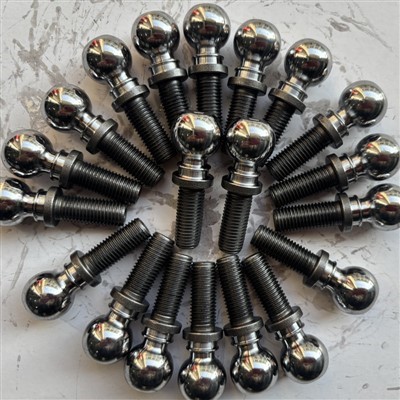
Before we jump into the rotational capacity, let’s first understand what a ball pin is. A ball pin is a mechanical fastener that consists of a cylindrical shaft with a spherical ball at one end. The ball is typically designed to fit into a corresponding socket, allowing for a certain degree of movement and rotation. This design makes ball pins ideal for use in applications where flexibility and articulation are required, such as in automotive suspension systems, aerospace components, and industrial machinery.
Factors Influencing Rotational Capacity
The rotational capacity of a ball pin is determined by several key factors. These factors interact with each other in complex ways, and understanding them is crucial for selecting the right ball pin for a given application.
Material Properties
The materials used to manufacture the ball pin play a significant role in its rotational capacity. The ball and the socket are often made from different materials, each chosen for its specific properties. For example, high – strength steel is commonly used for the ball because it offers excellent wear resistance and can withstand high loads. The socket, on the other hand, may be made from a softer material such as bronze or a polymer. A softer socket material can provide a self – lubricating effect, reducing friction and allowing for smoother rotation.
The hardness of the materials is also important. If the ball is too hard relative to the socket, it can cause excessive wear on the socket over time. Conversely, if the socket is too hard, it may not conform well to the shape of the ball, leading to increased friction and reduced rotational capacity.
Surface Finish
The surface finish of the ball and the socket has a direct impact on the rotational capacity. A smooth surface finish reduces friction between the two components, allowing for easier rotation. Rough surfaces, on the other hand, can cause increased friction, wear, and even binding.
Manufacturers use various techniques to achieve the desired surface finish. For example, grinding and polishing can be used to create a smooth surface on the ball, while special coatings can be applied to the socket to improve its lubricity and reduce friction.
Lubrication
Lubrication is essential for maintaining the rotational capacity of a ball pin. Lubricants reduce friction between the ball and the socket, preventing wear and extending the service life of the ball pin. There are different types of lubricants available, including greases and oils.
The choice of lubricant depends on several factors, such as the operating temperature, load, and speed of the application. For high – temperature applications, a high – temperature grease may be required, while for applications with high – speed rotation, a low – viscosity oil may be more suitable.
Design and Geometry
The design and geometry of the ball pin also influence its rotational capacity. The size of the ball, the shape of the socket, and the clearance between the ball and the socket all play a role.
A larger ball diameter generally allows for greater load – carrying capacity but may also increase the friction and reduce the rotational range. The shape of the socket can also affect the rotational motion. For example, a deep – seated socket may provide better stability but limit the range of rotation, while a shallow – seated socket may allow for more freedom of movement but may be less stable under high loads.
Measuring Rotational Capacity
Measuring the rotational capacity of a ball pin is a complex process that requires specialized equipment and techniques. One common method is to use a torque – measuring device to determine the amount of torque required to rotate the ball within the socket.
The test is typically conducted under controlled conditions, with specific loads and speeds applied to the ball pin. The torque is measured as the ball is rotated through a specified angle. The lower the torque required for rotation, the higher the rotational capacity of the ball pin.
Another way to measure the rotational capacity is to monitor the wear and performance of the ball pin over time. This can be done through accelerated life testing, where the ball pin is subjected to a large number of rotation cycles under simulated operating conditions. By measuring the wear on the ball and the socket and monitoring any changes in the rotational torque, engineers can assess the long – term rotational capacity of the ball pin.
Importance of Rotational Capacity in Different Applications
The rotational capacity of a ball pin is a critical factor in many applications. Here are a few examples:
Automotive Suspension Systems
In automotive suspension systems, ball pins are used to connect various components, such as the control arms and the steering knuckles. The rotational capacity of the ball pins is essential for ensuring smooth and precise steering and suspension movement. If the rotational capacity is too low, it can lead to increased steering effort, uneven tire wear, and a rough ride.
Aerospace Applications
In aerospace applications, ball pins are used in a variety of components, including flight control systems and landing gear. The high – precision and reliability requirements of these applications demand ball pins with excellent rotational capacity. A ball pin with insufficient rotational capacity can cause control issues and potentially compromise the safety of the aircraft.
Industrial Machinery
In industrial machinery, ball pins are often used in robotic arms, conveyors, and other moving parts. The rotational capacity of the ball pins affects the efficiency and accuracy of the machinery. A ball pin that cannot rotate freely can cause jams, reduce productivity, and increase maintenance costs.
Selecting the Right Ball Pin Based on Rotational Capacity
When selecting a ball pin for a specific application, it’s important to consider the required rotational capacity. Here are some steps to follow:
- Understand the Application Requirements: Determine the load, speed, temperature, and range of rotation required for the application. This information will help you narrow down the selection of ball pins.
- Consult with the Manufacturer: As a ball pin supplier, we have extensive knowledge and experience in designing and manufacturing ball pins for different applications. We can provide you with technical advice and recommend the most suitable ball pin based on your requirements.
- Test the Ball Pin: Before making a final decision, it’s advisable to test the ball pin under actual operating conditions. This will allow you to verify its rotational capacity and ensure that it meets your performance expectations.
Conclusion
The rotational capacity of a ball pin is a complex but crucial characteristic that affects its performance in various applications. By understanding the factors that influence rotational capacity, how it is measured, and its importance in different industries, you can make an informed decision when selecting a ball pin for your project.
Stainless Steel Ball Joint As a leading supplier of ball pins, we are committed to providing high – quality products with excellent rotational capacity. Our team of experts is always ready to assist you in choosing the right ball pin for your specific needs. If you are interested in learning more about our ball pins or would like to discuss a potential procurement, we encourage you to reach out to us. We look forward to the opportunity to work with you and provide you with the best solutions for your ball pin requirements.
References
- Mechanical Design Handbook, Third Edition, CRC Press
- Automotive Suspension Design and Analysis, ASME Press
- Aerospace Materials and Structures, McGraw – Hill Education
Taizhou Huazhe Auto Parts Co., Ltd.
Address: No. 2828, Binkang Avenue, Sanjia Street, Taizhou Bay New Area, Taizhou City, Zhejiang Province
E-mail: 19906762800@163.com
WebSite: https://www.huazheindustry.com/
