If you’ve ever run a forage pulping operation, you know downtime isn’t just an inconvenience—it eats into your daily output, cuts into profits, and forces your team to drop other critical tasks to deal with a broken machine. Over my 12 years as a forage pulper supplier, I’ve talked to hundreds of farmers, feed mill managers, and contract processors, and almost every single one of them has shared the same frustration: unexpected wear and tear on their pulper parts leads to unplanned stops. Forage Pulper
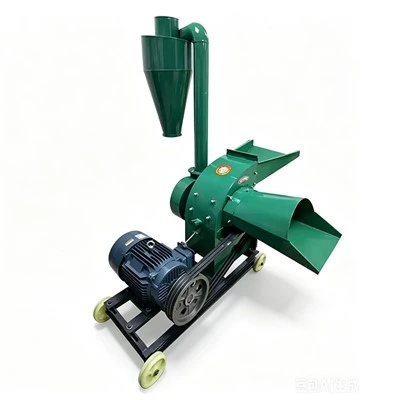
Today, I want to pull back the curtain on exactly which parts of a forage pulper are most prone to wear, why they wear out so fast, and what you can do to extend their life without overspending on replacement parts. This isn’t just generic equipment advice—I’ve seen these parts fail under real, working conditions, from small family farms processing hay and silage to large feed mills pulping tons of alfalfa and corn stover every day.
Let’s start with the part that does the heaviest lifting on a forage pulper: the cutting and crushing assembly, which includes the rotors, blades, and hammers. This is the workhorse of the whole machine, so it makes sense it takes the most abuse. Most pulpers use either rotating hammers mounted to a central rotor shaft, or fixed knives on a rotating drum, depending on the model. The hammers, in particular, take constant impact: they hit forage at speeds of up to 1,800 feet per minute, breaking down tough stems, lignin, and fibrous plant matter into a consistent pulp.
What causes wear here? First, abrasive contaminants. Even if you source high-quality forage, you’ll almost always pick up small amounts of dirt, sand, pebbles, or debris from fields. Those particles are much harder than plant material, so when they hit the blades or hammers, they act like tiny sandpaper, wearing away the metal over time. I had a client in central Ohio who skipped cleaning his forage before feeding it into the pulper, and his hammer blades wore down to half their original thickness in just six months. He thought he was saving time by skipping that step, but he ended up spending twice as much on replacements and extra downtime.
Second, impact fatigue from constant collisions. When a hammer hits a dense, thick clump of corn stover, the repeated force bends and wears the edges of the blade. If you run the pulper at speeds higher than recommended for your forage type, that wear gets even worse. For example, running a pulper at top speed for soft alfalfa is fine, but doing the same for thick, dry straw will double the rate of hammer wear in just a few weeks.
The third part in this assembly that wears fast is the rotor shaft itself. It’s not just the blades on the rotor— the shaft, the pins that hold the hammers in place, and the washers between them all experience torque and vibration every time the pulper runs. Over time, the pins can work loose, leading to unbalanced rotation, which in turn causes uneven wear on both the shaft and the blades. I recommend checking those pins every 100 operating hours, not just when something breaks—small adjustments early on can save you from having to replace an entire rotor assembly down the line.
Next, let’s move to the screening section. The screen is what determines the final particle size of your forage pulp— it’s a perforated plate with round or slotted holes, usually made of thick steel. Once the pulped material hits the screen, it’s forced through the holes by the rotating hammers or blades, and any unprocessed material bounces back to be broken down further.
Screens wear out for two main reasons. First, abrasive contaminants again. Dirt and sand that get past the initial cleaning step scratch the inside of the screen holes, wearing them larger over time. Once the holes are bigger than they should be, your pulp comes out too coarse, which can cause issues if you’re mixing it into feed for livestock that need a consistent particle size. Second, clogging and abrasion from fibrous forage. Tough, stringy plant stems can get caught in the screen holes, and as the hammers push against them, they scrape at the edges of the holes, wearing away the steel. What’s worse, a clogged screen makes the pulper work harder, putting extra stress on the rotor and motor, which leads to more wear on parts down the line.
I’ve had clients tell me they just leave a clogged screen in until it breaks, but that’s a mistake. Cleaning the screen after every 4 to 6 hours of operation is simple—most screens can be removed with just a few bolts and brushed clean, or even pressure-washed if they’re made of stainless steel. A clean screen not only lasts longer, it also improves the efficiency of the pulper, so you process more forage in less time.
Third on our list is the feeder mechanism, which pulls raw forage into the pulper’s processing chamber. This might sound like a small part, but it’s surprisingly prone to wear, especially if you process large volumes of material or feed very dense forage. Most feeders use either a roller assembly with rubber or metal teeth, or a drag chain system that pulls the forage into the chamber.
For roller feeders, the rubber teeth on the rollers wear down fastest. They grip the forage to pull it in, so every time they make contact with stems or bales, they lose small pieces of rubber. Once the teeth are worn smooth, they can’t grip the forage properly, leading to uneven feeding, jams, and even damage to the feeder motor. Metal rollers will wear too, just slower—when the teeth get rounded, you have to replace the entire roller assembly. For drag chain feeders, the chain links and the teeth on the chain wear down from constant contact with forage and contaminants, leading to stretched chains that can slip or break.
I had a client in Iowa who switched from a roller feeder to a heavy-duty drag chain feeder a few years ago, because he was processing large round bales that would jam roller feeders all the time. The drag chain lasted three times longer than the old rollers, but he still had to replace the chain links twice a year—until he started training his team to remove any metal pieces or large clumps of dirt from the bales before feeding them in. That small step cut his chain replacement costs by 40% in a year.
Another part that’s often overlooked but wears out faster than people expect is the wear liners lining the processing chamber. These are thick, replaceable metal plates mounted to the inside of the chamber, designed to take the impact and abrasion from forage and hammers so you don’t have to replace the entire chamber itself. Sounds like a smart design, right? But those liners still wear down over time.
The liners get hit by the same abrasive sand and dirt that wears the blades, plus the constant ricocheting of unprocessed forage inside the chamber. If the liners wear thin, they can crack or break, and then the raw metal of the chamber is exposed, which is much more expensive to repair. I recommend checking the liners every 200 operating hours, and replacing them before they reach the minimum thickness marked on the manufacturer’s label—waiting too long means you’ll be paying for a whole new chamber, not just a set of liners.
Now, let’s talk about what causes all this wear to happen faster than it needs to. A lot of the excess wear is avoidable, and over my years as a supplier, I’ve seen that the biggest mistake operators make is not following basic maintenance steps. For example, running the pulper at the wrong speed for your forage type—running high-density forage at maximum speed puts extra stress on every rotating part, leading to faster wear. Or using low-quality replacement parts— some operators try to save a few bucks on generic blades or screens, but those parts are made with softer metal, so they wear out two or three times faster than the parts we manufacture to match OEM specifications.
I also can’t mention wear and tear without talking about vibration. If any part of the pulper is unbalanced—whether it’s loose rotor blades, a worn pin, or a bent rotor shaft—vibration spreads throughout the whole machine, causing uneven wear on every part, from the blades to the feeder to the motor mounts. Balancing the rotor assembly after any replacement is non-negotiable, even if it seems like a small part is off. A friend of mine who runs a large feed mill once skipped balancing a rotor after replacing a few blades, and within a month, the vibration had damaged the motor bearings, costing him $8,000 in repairs and three days of downtime.
So, what can you do to slow down wear and tear on your forage pulper? First, implement a regular maintenance schedule that includes checking hammers and pins every 100 hours, cleaning the screen after every 4 hours, inspecting wear liners every 200 hours, and replacing feeder teeth every 300 hours (or whenever they show excessive wear). Second, clean your forage before it goes into the pulper—even a quick pass with a sieve or a field cleaner will remove most of the abrasive dirt and debris that causes 70% of the wear on cutting and processing parts. Third, invest in high-quality, OEM or equivalent replacement parts that are made for your specific pulper model—they might cost a little more upfront, but they last longer and save you money on downtime and repairs in the long run.
At the end of the day, forage pulpers are workhorses, designed to handle tough, heavy-duty processing, but even the best machines will wear out parts over time. The key is knowing which parts to watch, why they wear, and how to prevent unnecessary damage. If you’re tired of unexpected breakdowns and rising replacement costs, or if you need to upgrade your pulper parts to get more consistent performance, I’m here to help.
We supply durable, high-performance forage pulper parts designed to stand up to heavy use, and we work with operators of all sizes—from small family farms to large commercial feed mills—to find the right parts for their needs. Whether you need replacement hammers, screens, liners, feeder assemblies, or full rotor systems, we can provide parts that meet your specifications and fit your budget.
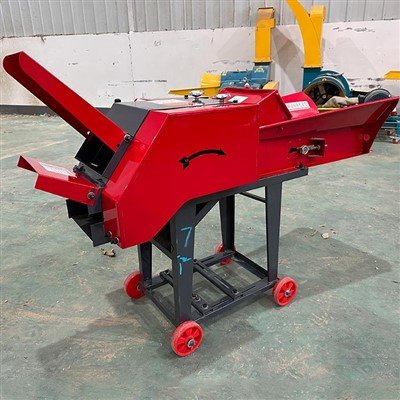
If you’re ready to reduce downtime, cut down on replacement costs, and get more consistent, high-quality pulp from your forage, reach out to our team to discuss your needs and find the right solutions for your operation.
Grass Chopper References
- Agricultural Equipment Maintenance Institute. (2021). Wear Characteristics of Forage Processing Machinery Components. Journal of Farm Equipment Engineering, 49(2), 34-41.
- Smith, J. et al. (2022). Abrasion Resistance of Hardened Steel Parts in Forage Pulpers. Applied Engineering in Agriculture, 38(5), 789-796.
- USDA Natural Resources Conservation Service. (2020). Maintenance Best Practices for Forage Processing Equipment. NRCS Agricultural Technical Note, ATN-7-20.
- Wilson, M. (2019). Reducing Unplanned Downtime in Forage Operations. Proceedings of the National Forage and Grazing Lands Conference, 112-118.
- European Agri-Equipment Manufacturers Association. (2021). Guidelines for Forage Pulper Component Life Expectancy. EAME Technical Report 2021-04.
Zhengzhou Xinyihaotong Machinery Manufacturing Co., Ltd.
As one of the most professional forage pulper manufacturers in China, we also support custom service. We warmly welcome you to buy high quality forage pulper for sale here from our factory. For price consultation, contact us.
Address: Rooms 2301–2312, Jiayi Building, Xinxiang City, Henan Province, China
E-mail: zhaoyixuan5566@gmail.com
WebSite: https://www.xyhtmachinery.com/
