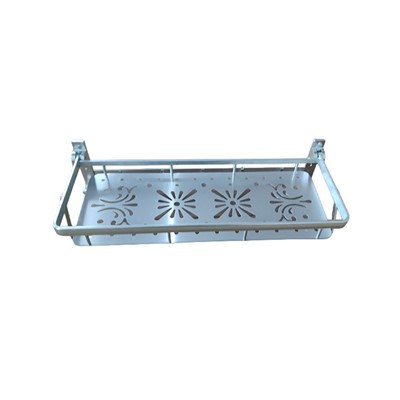
Hey there! I’m a supplier of stamped parts, and one question I get a lot from my customers is how to prevent corrosion of these parts. Corrosion can be a real headache, as it not only affects the appearance of the stamped parts but also their functionality and durability. In this blog, I’ll share some practical tips and strategies that I’ve learned over the years to help you keep your stamped parts corrosion – free. Stamped Parts
Understanding the Causes of Corrosion
Before we dive into the prevention methods, it’s important to understand what causes corrosion in the first place. Corrosion is basically a chemical reaction between a metal and its environment. For stamped parts, which are often made of metals like steel, aluminum, or copper, the main culprits are moisture, oxygen, and certain chemicals.
Moisture is the biggest enemy. When metal comes into contact with water or high humidity, it forms a thin layer of electrolyte on the surface. This electrolyte allows electrons to flow, which starts the corrosion process. Oxygen in the air also plays a role. It reacts with the metal to form metal oxides, which are often the rust or tarnish that you see on the surface of the parts. And if the stamped parts are exposed to chemicals like acids, alkalis, or salts, the corrosion can happen even faster.
Material Selection
One of the first steps in preventing corrosion is choosing the right material for your stamped parts. Different metals have different levels of corrosion resistance.
- Stainless Steel: This is a great option if corrosion resistance is a top priority. Stainless steel contains chromium, which forms a thin, protective oxide layer on the surface. This layer acts as a barrier, preventing oxygen and moisture from reaching the metal underneath. There are different grades of stainless steel, and you can choose the one that best suits your application based on factors like cost, strength, and corrosion resistance requirements.
- Aluminum: Aluminum is another popular choice. It naturally forms a protective oxide layer when exposed to air, which helps prevent further corrosion. It’s lightweight, which is an added advantage in many applications. However, it’s important to note that aluminum can be susceptible to corrosion in certain environments, such as those with high levels of chlorides.
- Coated Metals: You can also opt for stamped parts made from coated metals. For example, galvanized steel is steel that has been coated with a layer of zinc. The zinc acts as a sacrificial anode, meaning it corrodes first to protect the steel underneath. There are also other types of coatings like powder coatings and electroplated coatings that can provide excellent corrosion protection.
Surface Treatment
Once you’ve selected the right material, surface treatment can further enhance the corrosion resistance of your stamped parts.
- Passivation: Passivation is a chemical process that removes free iron from the surface of stainless steel parts and forms a more stable oxide layer. This helps improve the corrosion resistance of the parts. It’s a relatively simple and cost – effective process that can be done after the stamping process.
- Phosphating: Phosphating is a process where a phosphate coating is applied to the surface of the metal. This coating provides a base for paint or other coatings and also acts as a barrier against corrosion. It’s commonly used on steel parts to improve their paint adhesion and corrosion resistance.
- Anodizing: Anodizing is a process mainly used for aluminum parts. It creates an oxide layer on the surface of the aluminum through an electrochemical process. The anodized layer is thicker and more durable than the natural oxide layer, providing better protection against corrosion. It also allows for the addition of color to the parts, which can be a nice aesthetic touch.
Environmental Control
Controlling the environment where the stamped parts are stored and used is crucial for preventing corrosion.
- Humidity Control: As I mentioned earlier, moisture is a major cause of corrosion. Keeping the humidity level in the storage area low can significantly reduce the risk of corrosion. You can use dehumidifiers in the storage facility to maintain a relative humidity of less than 50%. This helps prevent the formation of the electrolyte layer on the surface of the parts.
- Temperature Control: Extreme temperatures can also affect the corrosion rate. High temperatures can accelerate the chemical reactions involved in corrosion, while low temperatures can cause condensation, which leads to moisture on the parts. Try to keep the storage and working environment at a stable temperature.
- Avoiding Chemical Exposure: If possible, keep the stamped parts away from chemicals that can cause corrosion. This includes cleaning chemicals, industrial pollutants, and even some types of food products. If the parts need to be cleaned, use mild, non – corrosive cleaners and make sure to dry them thoroughly afterwards.
Packaging and Storage
Proper packaging and storage can go a long way in preventing corrosion.
- Packaging Materials: Use packaging materials that are resistant to moisture and can protect the parts from physical damage. For example, you can use plastic bags with desiccants to absorb any moisture that might get into the package. You can also use anti – corrosion paper or VCI (Volatile Corrosion Inhibitor) packaging, which releases a vapor that forms a protective layer on the surface of the metal.
- Storage Conditions: Store the stamped parts in a clean, dry, and well – ventilated area. Avoid storing them on the floor, as this can expose them to moisture and dirt. Use racks or shelves to keep the parts off the ground and allow air to circulate around them.
Regular Inspection and Maintenance
Regularly inspecting the stamped parts for signs of corrosion is important. Catching corrosion early can prevent it from spreading and causing more serious damage.
- Visual Inspection: Look for signs of rust, discoloration, or pitting on the surface of the parts. If you notice any of these signs, take action immediately. You may be able to clean the part and apply a protective coating to stop the corrosion from progressing.
- Cleaning and Re – coating: If the parts are dirty or if the protective coating has worn off, clean them and re – apply the coating. This can help restore their corrosion resistance. Make sure to follow the manufacturer’s instructions for cleaning and coating the parts.
In conclusion, preventing corrosion of stamped parts requires a combination of proper material selection, surface treatment, environmental control, packaging and storage, and regular inspection and maintenance. By following these tips, you can ensure that your stamped parts stay in good condition for a long time.
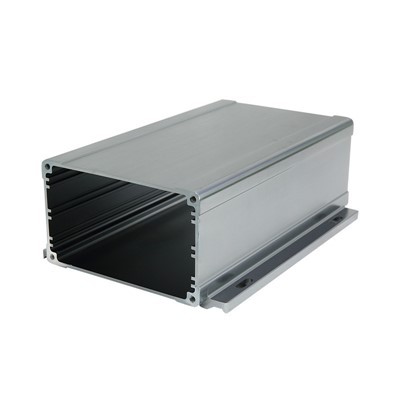
If you’re in the market for high – quality stamped parts and want to learn more about how we can help you prevent corrosion, I’d love to have a chat with you. Just reach out to me, and we can start a conversation about your specific needs and how I can provide the best solutions for you.
Stamping Small Parts References
- "Corrosion Basics" by NACE International
- "Materials Science and Engineering" textbooks
- Industry reports on metal stamping and corrosion prevention
Yuyao Aozhou Metal Products Co., Ltd.
We are one of the most experienced stamped parts manufacturers and suppliers in China. With a professional production team, we are able to meet the needs of the majority of our customers. Please rest assured to buy customized stamped parts made in China here from our factory.
Address: No.6, Nanbailonggang, Wuma Industrial Zone, Lubu Town, Yuyao City
E-mail: xqr-2316@163.com
WebSite: https://www.cnaozhou.com/
