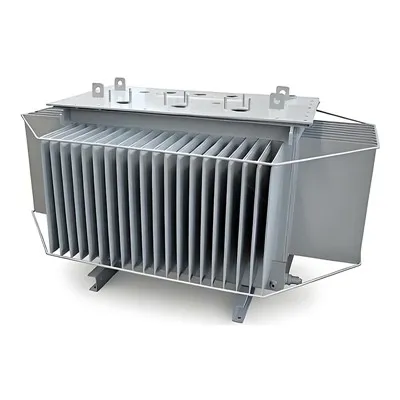
As a supplier of dry type transformers, I often get asked whether these transformers can be used outdoors. It’s a valid question considering the different environmental challenges that outdoor settings present compared to indoor environments. In this blog post, I’ll delve into the technical aspects of dry type transformers and explore their suitability for outdoor use. Dry Type Transformer
Understanding Dry Type Transformers
Dry type transformers are electrical devices that transfer electrical energy between circuits through electromagnetic induction without the use of a liquid coolant. Instead, they rely on air or a gaseous medium for cooling. This design offers several advantages, such as being environmentally friendly, having a lower fire risk, and requiring less maintenance compared to oil – filled transformers.
The core and windings of a dry type transformer are typically enclosed in a protective enclosure. The enclosure is designed to provide mechanical protection and, to some extent, protect the internal components from environmental factors.
Factors to Consider for Outdoor Use
1. Environmental Conditions
Outdoor environments can be harsh. Temperature variations, humidity, dust, dirt, and exposure to the elements are all factors that need to be considered.
- Temperature: Extreme temperatures can affect the performance of dry type transformers. In hot climates, high temperatures can increase the operating temperature of the transformer, which may lead to reduced insulation life. On the other hand, in cold climates, low temperatures can cause the insulation materials to become brittle. However, modern dry type transformers are designed with insulation materials that can withstand a wide range of temperatures. For example, Class H insulation can operate at temperatures up to 180°C, which provides a good margin for temperature variations.
- Humidity: High humidity can lead to moisture ingress into the transformer, which can cause insulation breakdown. To prevent this, dry type transformers used outdoors are often equipped with moisture – resistant insulation materials and sealed enclosures. Some transformers also have built – in heaters to prevent condensation inside the enclosure.
- Dust and Dirt: Dust and dirt can accumulate on the windings and insulators of the transformer, reducing their insulation properties and increasing the risk of electrical breakdown. Outdoor dry type transformers are usually designed with enclosures that have filters to prevent the ingress of large particles. Regular maintenance, including cleaning the filters and the exterior of the transformer, is also necessary to ensure optimal performance.
2. Protection Class
The protection class of the transformer’s enclosure is an important factor when considering outdoor use. The International Electrotechnical Commission (IEC) has defined a standard system for classifying the degree of protection provided by enclosures, known as the IP (Ingress Protection) code.
- For outdoor use, a higher IP rating is required. For example, an IP54 – rated enclosure provides protection against dust ingress (the first digit ‘5’ means protected against dust to a degree that will not interfere with the normal operation of the equipment) and water splashing from any direction (the second digit ‘4’). An IP65 – rated enclosure offers even better protection, with complete protection against dust ingress (‘6’) and protection against low – pressure water jets from any direction (‘5’).
3. Lightning and Surge Protection
Outdoor transformers are more exposed to lightning strikes and electrical surges. Lightning strikes can cause significant damage to the transformer windings and insulation. To protect against this, surge arresters are often installed on the transformer. Surge arresters divert the high – voltage surge caused by lightning or other electrical disturbances to the ground, protecting the transformer from damage.
Advantages of Using Dry Type Transformers Outdoors
1. Safety
Dry type transformers do not use flammable oil as a coolant, which reduces the risk of fire and explosion. This is especially important in outdoor settings where there may be a higher risk of fire spreading due to the presence of vegetation or other combustible materials.
2. Environmental Friendliness
Since dry type transformers do not use oil, there is no risk of oil spills, which can have a significant impact on the environment. This makes them a more sustainable choice for outdoor applications, especially in areas close to water sources or natural habitats.
3. Low Maintenance
Compared to oil – filled transformers, dry type transformers require less maintenance. There is no need for regular oil testing and replacement, and the absence of oil reduces the risk of leaks and other oil – related problems. This can result in lower long – term operating costs for outdoor installations.
Limitations and Considerations
1. Cooling Capacity
The cooling capacity of dry type transformers is limited compared to oil – filled transformers. In hot and humid outdoor environments, the ability of the transformer to dissipate heat may be reduced. This can lead to increased operating temperatures and potentially shorten the lifespan of the transformer. Therefore, proper sizing and ventilation design are crucial when using dry type transformers outdoors.
2. Cost
Dry type transformers are generally more expensive than oil – filled transformers. This is due to the advanced insulation materials and the need for a more robust enclosure for outdoor use. However, when considering the long – term benefits, such as lower maintenance costs and reduced environmental impact, the higher initial cost may be justified.
Conclusion

In conclusion, dry type transformers can be used outdoors, but careful consideration must be given to the environmental conditions, protection class, and surge protection. With proper design, installation, and maintenance, dry type transformers can provide reliable and safe performance in outdoor applications.
Dry Type Transformer If you are considering an outdoor installation of a dry type transformer, our company has a wide range of high – quality products that can meet your specific needs. We have extensive experience in providing solutions for various outdoor transformer applications. Contact us to discuss your requirements and explore the best options for your project. Our team of experts is ready to provide you with detailed technical advice and support.
References
- International Electrotechnical Commission (IEC). IEC 60076 – 11: Dry – type power transformers – Part 11: Outdoor dry – type transformers.
- American National Standards Institute (ANSI). ANSI/IEEE C57.12.01 – Safety requirements for dry – type distribution and power transformers.
- IEEE Standards Association. IEEE Guide for the Application, Specification, and Testing of Dry – Type Transformers.
Jiangsu Yuantong Electric Co., Ltd.
As one of the most professional dry type transformer manufacturers and suppliers in China, we also support customized service. We warmly welcome you to wholesale bulk dry type transformer for sale here from our factory. For more information, contact us now.
Address: No.68 Xiyuan Avenue, Hai’an Industrial Park, Hai’an City, Jiangsu Province, China
E-mail: aaron@jsytelectric.com
WebSite: https://www.yuantongtransformer.com/
