When it comes to electrical work, a reliable transformer clamp is an indispensable tool. As a seasoned transformer clamp supplier, I’ve witnessed firsthand the importance of making the right choice. In this blog, I’ll share some insights on how to choose a transformer clamp that meets your needs. Transformer Clamp

Understanding Your Requirements
The first step in choosing a transformer clamp is to understand your specific requirements. Consider the type of electrical system you’ll be working with, the size and capacity of the transformers, and the environment in which the clamp will be used. For example, if you’re working in a high – voltage industrial setting, you’ll need a clamp that can withstand higher electrical loads and harsh conditions. On the other hand, if you’re doing residential electrical work, a smaller, more lightweight clamp may be sufficient.
Voltage Rating
One of the most critical factors to consider is the voltage rating of the transformer clamp. The voltage rating indicates the maximum voltage that the clamp can safely handle. It’s essential to choose a clamp with a voltage rating that exceeds the highest voltage in your electrical system. Using a clamp with a lower voltage rating can lead to electrical arcing, overheating, and potentially dangerous situations. For instance, if you’re working on a 480 – volt system, a clamp with a voltage rating of at least 600 volts would be a wise choice.
Current Capacity
In addition to the voltage rating, you also need to pay attention to the current capacity of the clamp. The current capacity refers to the maximum amount of electrical current that the clamp can measure or carry. This is particularly important when dealing with high – power transformers. If the current capacity of the clamp is too low, it can cause inaccurate readings and may even damage the clamp. To determine the appropriate current capacity, you need to know the maximum current that your transformer is likely to draw. You can usually find this information on the transformer’s nameplate.
Accuracy
Accuracy is another crucial aspect when choosing a transformer clamp. The accuracy of a clamp is typically expressed as a percentage of the measured value. A more accurate clamp will provide more reliable readings, which is essential for proper electrical system maintenance and troubleshooting. When comparing different clamps, look for ones with a high level of accuracy, especially if you need precise measurements for critical applications. For example, in a power distribution network, accurate current measurements can help in detecting potential faults and optimizing the system’s performance.
Clamp Design
The design of the transformer clamp can have a significant impact on its usability and effectiveness. There are several types of clamp designs available, each with its own advantages and disadvantages.
Jaw Size
The jaw size of the clamp determines the maximum diameter of the conductor or busbar that the clamp can accommodate. Make sure to choose a clamp with a jaw size that is large enough to fit around the conductors you’ll be working with. If the jaw size is too small, you won’t be able to get an accurate reading, and it may even be difficult to attach the clamp to the conductor.
Clamp Shape
The shape of the clamp can also affect how easily it can be used in different situations. Some clamps have a straight – jaw design, which is suitable for accessing conductors in open spaces. Others have a right – angle or offset jaw design, which can be more convenient for reaching conductors in tight or hard – to – access areas.
Ergonomics
Ergonomics is an often – overlooked but important factor. A well – designed clamp should be comfortable to hold and operate, especially if you’ll be using it for extended periods. Look for clamps with features such as a non – slip grip, a lightweight design, and easy – to – use controls.
Build Quality and Durability
A transformer clamp is an investment, and you want it to last. Consider the build quality and durability of the clamp before making a purchase. Clamps made from high – quality materials such as stainless steel or rugged plastics are more likely to withstand the rigors of daily use. Additionally, look for clamps that are designed to be resistant to dust, moisture, and other environmental factors. This is especially important if you’ll be using the clamp in outdoor or industrial settings.
Additional Features
Some transformer clamps come with additional features that can enhance their functionality. Here are a few features to consider:
Data Logging
Data logging capabilities allow you to record and store electrical measurements over time. This can be useful for analyzing trends, conducting long – term monitoring, and documenting electrical system performance.
Bluetooth Connectivity
Clamps with Bluetooth connectivity can transmit measurement data wirelessly to a smartphone or tablet. This makes it easier to view and analyze the data, and you can also share it with colleagues or clients.
Auto – Ranging
Auto – ranging clamps automatically select the appropriate measurement range, which simplifies the measurement process and reduces the risk of errors.
Compatibility
Ensure that the transformer clamp is compatible with your existing electrical equipment and test instruments. If you plan to use the clamp in conjunction with other devices, such as multimeters or power analyzers, make sure they can communicate effectively with each other. Compatibility issues can lead to inaccurate readings and may prevent the proper functioning of your electrical testing setup.
Cost
Cost is always a consideration when making a purchase. While it’s important to find a transformer clamp that fits your budget, don’t sacrifice quality for a lower price. A cheap, low – quality clamp may end up costing you more in the long run due to inaccurate readings, frequent breakdowns, and the need for early replacement. Instead, look for a clamp that offers a good balance between price and performance.
Conclusion
Choosing the right transformer clamp is a decision that should not be taken lightly. By considering factors such as voltage rating, current capacity, accuracy, design, build quality, additional features, compatibility, and cost, you can select a clamp that meets your specific needs and provides reliable performance.
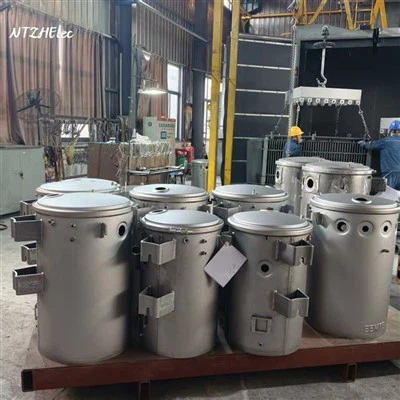
Pad Mounted Transformer Oil Tank As a transformer clamp supplier, I’m committed to helping you make the best choice. If you have any questions or need further assistance in selecting the right transformer clamp for your application, I encourage you to contact me. I’m here to provide you with expert advice and high – quality products that will meet your electrical testing requirements. Whether you’re a professional electrician, an electrical engineer, or a DIY enthusiast, I’m confident that I can offer you a suitable solution. Let’s start the conversation and find the perfect transformer clamp for your projects.
References
- Electrical Testing and Measurement Handbook
- Standards for Electrical Instrumentation published by relevant industry associations.
Nantong Zhihe Electric Co., Ltd.
As one of the most professional transformer clamp manufacturers and suppliers in China, we’re featured by quality products and low price. Please rest assured to wholesale cheap transformer clamp made in China here from our factory. Customized orders are welcome.
Address: NO.202 Jianghai West Road, Hai’an Town, Hai’an City, Jiangsu Province
E-mail: colt.ntzh@gmail.com
WebSite: https://www.ntzhelectric.com/
