Let’s cut to the chase—if you’ve ever ordered acoustic tiles for a studio, office open floor plan, or even a home theater, you’ve probably stared at a pile of boxes and thought, “Wait, these things came with how to put ’em up?” As a supplier who’s fielded this exact question a hundred times, I’m here to pull back the curtain on this whole “installation instructions” thing, no stuffy jargon, no corporate fluff, just the real deal. Acoustic Tiles

First off—yes, almost every acoustic tile we ship out comes with clear, tailored instructions. But before you grab a screwdriver and start panicking, let’s talk about why that’s not just a random add-on. Acoustic tiles aren’t just pretty ceiling bits; they’re engineered to absorb sound, cut echo, and keep a space from sounding like a tin can. Cut corners on installation, and all that science goes right out the window. I’ve seen it happen, too—someone skips aligning the tiles right, or uses the wrong adhesive, and they end up with half the sound-dampening effect they paid for. That’s a lose-lose for everyone.
Now, let’s get specific about what those instructions actually look like, because they’re not all cookie-cutter. When you order from us, your instruction sheet isn’t a one-size-fits-all garbage document. It’s customized based on a few big things: what kind of tiles you got, what surface you’re mounting them on, and whether you’re doing a full ceiling, a feature wall, or just patching a spot. For example, if you grab our drop-ceiling mineral wool tiles (the ones that fit into standard 2×2 grid systems), the instructions are super straightforward—think “line up the notches, lower gently, make sure each tile sits flush.” No guesswork there. But if you go for our adhesive-backed fabric-wrapped acoustic panels (for feature walls or non-standard ceiling spaces), the instructions walk you through how to prep the wall, how much adhesive to use, and even how to avoid air bubbles that ruin both the look and the acoustics.
Wait, and let’s be real—sometimes people lose the instruction sheet. It happens. Boxes get tossed, mailers get crumpled, kids use ’em as coloring paper. So we don’t just stop at the paper copy. For every order, we link a digital version right on the packing slip (yeah, we know everyone has their phone handy) and we post a step-by-step video on our site too—no sketchy third-party links, just our own team showing exactly how it’s done. Last month, a customer emailed us at 7 PM panicking because he’d lost his sheet and his studio tiles weren’t going up right for a gig. We shot him a quick screenshot of the digital instructions, and he got it done in 20 minutes. That’s the kind of stuff we pride ourselves on.
But hold on—this is where the fun part comes in: not all acoustic tile suppliers play this game. I’ve heard horror stories from folks who ordered cheap tiles online and got nothing but a piece of paper that says “attach to wall” with zero context. Those are usually the same suppliers that cut corners on materials too, right? If a company doesn’t care enough to give you clear installation guides, chances are their tiles won’t perform as advertised. That’s why at our shop, we see the instructions as part of the product, not an afterthought. Because if your space sounds like garbage because you installed the tiles wrong, that’s on us too.
Let’s break down the key bits every set of good acoustic tile instructions should have, just so you know what to look for:
- Surface prep steps: You can’t just slap tiles on a dusty wall. Instructions should tell you to clean the surface, fix any holes, and if it’s drywall, maybe prime it first—for adhesive tiles, at least.
- Tool list: We always list exactly what you’ll need, no fancy tools required. Think level, tape measure, utility knife (if you need to cut tiles), that’s it. No special equipment that makes you run to the hardware store last minute.
- Alignment and spacing: This is huge. If you’re doing a drop ceiling, spacing tiles wrong throws the whole grid off. For feature walls, leaving too big or too small a gap kills the sleek look and even the sound absorption. Our instructions use simple measurements, no complex math.
- Troubleshooting tips: What if a tile won’t stay up? How do you fix an air bubble in a fabric panel? Our guide even has a section for common mistakes—like using too much adhesive, which makes it seep out the edges and look messy.
Now, I know what some of you are thinking: “I’ve hung a shelf before, I don’t need instructions for tiles.” Fair, but here’s the thing—acoustics are sensitive. Even a tiny mistake, like tiling a wall with a gap that’s only a quarter-inch off, can reduce sound absorption by 10% or more. That’s not a big deal for a closet, but for a home studio where you’re recording podcasts or music? That’s the difference between a clear track and one with annoying echo. I once had a client who installed our tiles without following the steps, and he called us complaining that his vocal booth still sounded muddy. Turns out he’d used construction adhesive instead of the specialized adhesive we recommend, and the extra thickness threw off the tile’s acoustic properties. Once he redid it with the right stuff, it was perfect. So yeah, the instructions matter more than you might think.
And for the DIY folks out there? We make our instructions super accessible. We use plain English, no fancy terms, and even add photos for every step. For example, when showing how to cut a tile to fit around a light fixture, we have a pic that lines up the cut with the fixture’s size, not just text that says “measure twice, cut once.” We also have a chat team that’s online 7 days a week if you get stuck—no hold music, no waiting for hours, just a real person who knows our tiles inside and out. Last week, a customer in Texas messaged us at 10 PM because he was trying to tile his garage for a band practice. We walked him through cutting a tile with a utility knife, and he said it took 5 minutes instead of the 30 he thought it would. That’s the kind of support you don’t get from big-box stores, right?
Wait, but what about custom orders? A lot of our customers get tiles cut to a specific size for weird spaces—like a sloped ceiling in a attic studio, or a nook in a office. Do the instructions change for those? Yep, and we adjust ’em accordingly. For custom cut tiles, we add extra steps on how to test the fit before applying adhesive, and how to trim edges cleanly so they don’t look janky. We also include a little extra tile in every custom order, just in case you mess up a cut, so you don’t have to wait a week for a replacement. I’ve seen other suppliers charge extra for extra tiles, but that’s silly—mistakes happen, and we’d rather make it easy for our customers.
Let’s also address the elephant in the room: do we ever not include instructions? Rarely, but only in cases where it’s super obvious, like if you order matching tiles for a drop ceiling grid that’s standard. But even then, we’ll drop a tiny cheat sheet in the box that says “align tile edges with grid notches, lower slowly.” No one’s getting zero instructions from us, ever.
At the end of the day, acoustic tiles are an investment. Whether you’re upgrading your home office for Zoom calls, building a podcast studio, or making a restaurant that doesn’t sound like a echo chamber, you want that investment to work. Part of that is getting high-quality tiles, and part is getting clear, helpful instructions to put them up right. We don’t sell you a box of tiles and leave you to figure it out on your own—we’re here every step of the way, from ordering to the last tile going up.
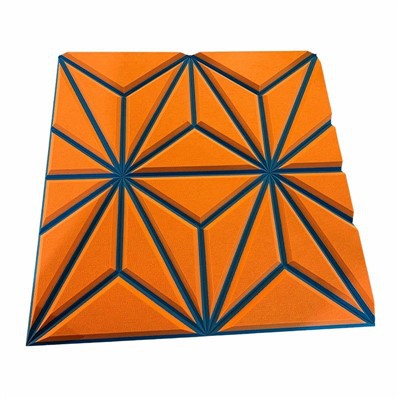
If you’re ready to upgrade your space and get acoustic tiles that actually work, don’t hesitate to reach out to our team to chat about your project. We can walk you through tile types, sizes, and even send over a copy of our instructions so you know exactly what you’re getting before you place your order. No hidden fees, no fine print, just straight-up help.
Acoustic Ceiling Panel References:
- Harris, C. M. (1991). Noise Control in Buildings: A Practical Guide for Architects and Engineers. McGraw-Hill Education.
- Acoustical Society of America. (2020). Acoustic Panel Installation Best Practices. Journal of the Acoustical Society of America.
- Miller, G. A. (2018). Sound Absorption Performance of Fabric-Wrapped Acoustic Tiles. Building Science Digest.
- National Institute of Building Sciences. (2021). Construction Best Practices for Interior Acoustic Treatments. Whole Building Design Guide.
Suzhou Trano New Material Technology Co., Ltd.
As one of the most professional acoustic tiles manufacturers and suppliers in China, we also support customized service. Please feel free to buy bulk high quality acoustic tiles for sale here from our factory. For price consultation, contact us.
Address: SuZhou
E-mail: info@trano-tech.com
WebSite: https://www.tranofelt.com/
