If you’ve ever walked through a packaging plant, a textile workshop, or even a furniture manufacturing facility, you’ve likely encountered the quiet workhorse that is the single side gluing machine. For years, these machines were seen as little more than glorified glue applicators—manual workhorses that required constant human oversight to adjust speed, control adhesive flow, and fix misaligned substrates. As a supplier of these machines, I hear the same question dozens of times a week: “What’s the actual automation level of a modern single side gluing machine?” It’s a fair question, and one that’s more nuanced than a simple number. The truth is, automation in this space isn’t a one-size-fits-all metric; it’s a spectrum that’s evolved dramatically over the past decade, shaped by labor shortages, demand for consistent output, and advances in sensor and control technology. Let me walk you through what that spectrum looks like, how our machines fit into it, and why the automation level of your gluing machine could make or break your production line. Single Side Gluing Machine

First, let’s set a baseline. Ten years ago, the average single side gluing machine was a semi-automatic system at best. Operators would load substrates (like cardboard panels, fabric rolls, or wood veneers) by hand, adjust the glue gap using a wrenches and manual dials, start the machine, and then stand by to clean clogs, adjust adhesive flow if it ran too thin or thick, and stop the line if a substrate shifted or a gap in glue created a defect. A small to mid-sized plant might have two or three operators dedicated solely to running these machines, and even with that, defect rates hovered around 5-8%—enough to eat into profit margins on high-volume orders. That’s the old model, and it’s the benchmark most of our customers use when they start looking for upgrades.
Today, automation levels range from basic semi-automated systems to fully integrated, lights-out compatible machines. Let’s break that down into clear tiers, because this is where a lot of confusion happens. Many suppliers will tout a machine as “highly automated” when it only has basic motorized adjustments, but there’s a big difference between motorized controls and intelligent, closed-loop automation.
The lowest tier we still see in the market is semi-automatic machines with motorized setup. These machines eliminate the need for manual wrench turns to adjust glue gap or speed, using electric motors linked to a control panel. But they still require an operator to load every substrate, start each run, and manually intervene if there’s a jam or a defect. Defect rates here are still around 2-4%, and they work well for small, low-volume jobs or facilities that aren’t ready to invest in more advanced technology. For a customer just starting out, or running specialized, one-off orders, this is a solid choice—but it’s not the level of automation most large plants are targeting now.
The next tier up, and the sweet spot for most of our mid-sized to large customers, is semi-automated with closed-loop process control. This is where the machine gets smart. Instead of an operator adjusting glue gap or flow by looking at a dial, the machine uses sensors to make those adjustments automatically. For example, infrared sensors mounted above the gluing roller measure the thickness of the adhesive layer in real time, feeding that data back to the machine’s programmable logic controller (PLC). If the glue layer starts to thin—say, because the adhesive drum is running low or the roller wears slightly—the PLC immediately adjusts the pressure between the glue roller and the substrate, or increases the flow from the glue nozzle, to keep the layer consistent. What this does is cut defect rates down to 0.5-1%, a massive improvement. No more operator staring at every square foot of substrate to check for missed spots or over-gluing. This tier also often includes automatic substrate alignment sensors, so if a panel shifts slightly as it moves through the line, the machine uses small guide rollers to nudge it back into place without stopping. For most of our customers, this is the ideal balance: less labor, lower defects, and a reasonable upfront cost that pays for itself in 18-24 months from reduced waste and lower labor costs. It’s worth noting that this isn’t “full automation” by any stretch, but it’s a huge step up from the manual systems of a decade ago.
Now, the top tier: fully automated, lights-out compatible single side gluing machines. These systems aren’t just a gluing unit—they’re integrated into the entire production line, linked to upstream cutting or printing machines and downstream lamination or packaging equipment. Here’s what that looks like in practice: A substrate comes off a die-cutting machine, and a barcode scanner reads its size and thickness, sending that data directly to the gluing machine’s PLC. The PLC automatically adjusts all settings—glue gap, speed, adhesive temperature, nozzle flow—before the substrate even reaches the gluing roller. Robotic loaders and unloaders move substrates to and from the gluing line, so no human touches the product at all. Vision systems mounted after the gluing station scan every single inch of the substrate for defects, and if a spot is missed or the glue layer is too thick, the machine automatically flags it, skips it if it’s a minor issue, or adjusts the next setting to correct a repeating problem. Even adhesive management is automated: the machine tracks glue consumption in real time, alerts the operator when a drum is running low, and can even mix new adhesive batches automatically to keep consistency. The only time a human needs to intervene here is if a jam causes a full line stop, or if a new type of substrate that the machine hasn’t been programmed for is introduced. For high-volume plants running 24/7, 365 days a year, this is the gold standard. Defect rates drop to almost zero, labor costs for the gluing process go down by 70-80%, and the line can be run with just a single supervisor monitoring a control room instead of multiple operators on the floor.
As a supplier, one of the most common mistakes I see customers make is assuming that “higher automation” is always better. That’s not true. A bakery running small batches of custom cake boxes doesn’t need a lights-out gluing machine, any more than a large furniture manufacturer making custom cabinet parts should waste money on a basic semi-automatic system that will bottleneck their production. We spend a lot of time with customers upfront doing an assessment of their production volume, the types of substrates they work with, their current defect rates, and their labor goals before we even mention a machine. For example, last year we worked with a small e-commerce packaging company that was growing from 5,000 boxes a month to 50,000. They initially asked for a fully automated system, but after reviewing their order mix—which was 70% small, custom orders and only 30% high-volume standard boxes—we recommended a mid-tier semi-automated machine with closed-loop control and optional robotic loader add-ons for their high-volume runs. That setup cost them 30% less than a fully automated system, and they were able to add the robotics as their order volume grew another 12 months later. It’s that personalized assessment that makes all the difference, and it’s why we don’t sell a one-size-fits-all product line.
Another point that’s often overlooked when talking about automation is data connectivity. Modern gluing machines aren’t just applying glue; they’re collecting data. A high-automation single side gluing machine will track every run: how much glue was used, what the defect rate was on each substrate type, how much the roller wore that day, even how much energy the machine consumed. That data can be synced to a plant’s ERP system, so managers can spot trends—like a certain substrate that consistently causes a 1% defect rate when run at a certain speed—or schedule maintenance before a roller wears out and causes unplanned downtime. For small plants, this data might not be a top priority, but for mid to large facilities, it’s a game-changer for improving overall production efficiency.
I’ve been supplying single side gluing machines for 12 years, and I’ve seen a lot of hype around “fully automated” and “lights-out” manufacturing, only to see plants end up with systems that are too complex for their needs, or that require so much specialized training that their operators are afraid to use them. That’s why our automation tiers are built to be flexible. Every machine we sell has a scalable control system, so you can start with a basic setup and add features like closed-loop control, robotic handling, or data syncing as your business grows. We also provide hands-on training for every operator, and 24/7 remote support, so if a sensor gives an alert, our team can often troubleshoot it in minutes without needing to send a technician out.
Let’s also talk about what automation isn’t. No matter how advanced the sensor or PLC, a gluing machine still needs a skilled team to calibrate it for new substrates. We’ve had customers come to us saying their “highly automated machine” was producing bad glue layers, only to find out they tried to run a substrate with a completely different thickness without updating the machine’s settings—something no sensor can catch if it’s a new material that hasn’t been programmed in. Automation takes the repetitive, mundane tasks out of gluing, but it doesn’t replace the expertise of a team that knows their products. It just lets that expertise focus on higher-value work, like developing new orders or improving production, instead of standing at a machine adjusting dials all day.
If you’re in the market for a single side gluing machine, ask the hard questions before you buy. Don’t just ask “how automated is it?” Ask: does it have real-time glue thickness sensing? Can it integrate with my existing production line? Can I add features later if my volume grows? What’s the defect rate I can expect? A reputable supplier will be able to walk you through those details, not just pitch the most expensive machine in their catalog. At the end of the day, the automation level that’s right for your business is the one that balances your current production needs, your future growth goals, and your budget. Too many plants make the mistake of buying a machine that’s either overkill or underpowered, and end up wasting thousands of dollars in lost profit and unnecessary labor.
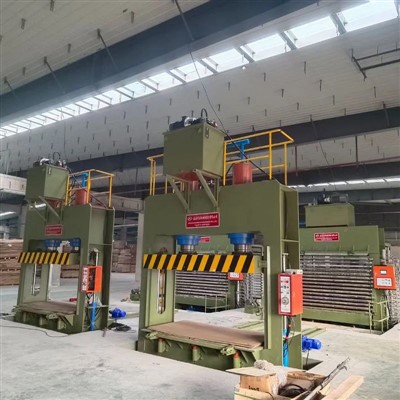
If you’re ready to take a look at how a modern single side gluing machine can improve your production line, we’re here to walk you through your options. We’ll assess your current workflow, answer all your questions, and help you find the setup that works for you. Don’t settle for a machine that will bottleneck your growth—let’s find the right automation level for your business today.
Single Side Gluing Machine References
- International Society of Automation. (2022). Industry 4.0 Applications for Packaging and Converting Equipment. ISA Press.
- Manufacturing Extension Partnership. (2021). Automation Tiers for Small and Medium-Sized Manufacturing Operations. NIST Publications.
- Gluing Technology Association. (2023). Best Practices for Adhesive Application Automation in Industrial Processing. GTA Technical Bulletin No. 17.
Jiashan Changle Machinery Manufacturing Co., Ltd.
We’re well-known as one of the leading single side gluing machine manufacturers and suppliers in China, also support customized service. Please feel free to buy advanced single side gluing machine for sale here from our factory. Quality products and punctual delivery are available.
Address: Building 12, Zone A, Wanyang Innovation City, No. 23 Yucao South Road, Ganyao Town, Jiashan County, Jiaxing City, Zhejiang Province
E-mail: Changle84615620@163.com
WebSite: https://www.changlejx.com/
