If you’re reading this, you’ve probably spent the last few weeks—if not months—tinkering with your podcast setup, nailing your intro line, and stressing over whether your audio levels are just right. Maybe you’ve even scrolled through TikTok or Instagram Reels and seen how creators pair their audio with silly, relatable cartoon stickers to make their short-form content pop. If you’re a podcaster who’s ever stopped mid-edit and thought, “Wait, could I add cartoon stickers to my podcast?”, let me cut to the chase: the answer is yes—but not in the way you might think. As the founder of a small, family-run cartoon sticker supply business (that’s me, by the way, the one who once spent 12 hours designing a 90s-themed pizza slice sticker for a client’s cooking podcast), I’ve gotten this exact question from dozens of podcasters over the past year. Most of them were nervous they’d break FCC rules, annoy their listeners, or just come off as unprofessional. Today, I’m breaking down whether cartoon stickers belong in podcasts, how to use them the right way, and why they might just be the secret sauce your show is missing. Cartoon Stickers
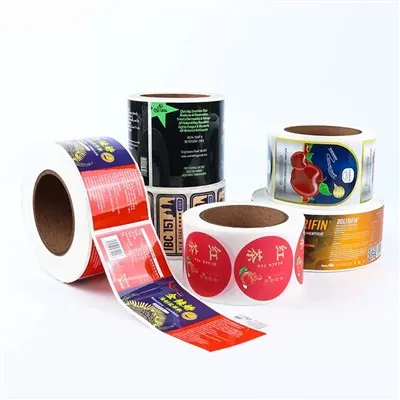
First, let’s get one big misconception out of the way: when people talk about adding “stickers” to podcasts, they’re not talking about slapping a custom decal on your microphone (that’s a whole other thing, and frankly, a cool one too). They’re talking about video podcasts—those shows you watch on YouTube, Apple TV, or Spotify’s video hub, where the video feed (usually you, your co-host, or some B-roll) is paired with animated or static cartoon stickers that pop up on screen in sync with the audio. If you’ve ever watched a true crime podcast and seen a tiny “shocked cat” sticker pop up right as the host gasps at a new clue, or a fitness podcast that uses a “sore muscle” sticker to highlight a tough rep, that’s exactly what we’re talking about. So no, you won’t be able to pluck a sticker from your laptop and add it to an audio-only podcast—at least not without some clever editing tricks. For video podcasts, though? They’re game-changers.
But let’s back up: why would a podcaster even care about stickers? I work with creators all the time who come to me and say their show has great content but is getting lost in the shuffle on YouTube. The platform recommends video based on watch time, and a lot of video podcasters notice that their drop-off rate jumps by 20-30% in the middle of long episodes (think 60+ minutes) where the conversation gets a little slow. Stickers are designed to fix that. They add visual cues that keep viewers engaged, give new listeners a reason to click in when scrolling their feeds, and even turn casual viewers into subscribers who love re-watching clips of their favorite sticker moments.
That said, there are rules to follow—rules that come from both listener expectations and, yes, platform guidelines. Let’s start with the most common question I get: is using cartoon stickers in video podcasts allowed by major platforms? I’ve checked YouTube’s community guidelines, Spotify’s content rules, and even Apple Podcast’s video requirements, and none of them ban stickers. The only catch is that stickers can’t be used to violate other rules: no stickers that show hate speech, graphic violence, or promote illegal activities. If your cartoon sticker is just a silly duck wearing a hat or a relatable “me when I skip breakfast” meme sticker? You’re golden. I even had a client who makes a small-business podcast add a “money bag” sticker every time they mentioned a tax write-off, and YouTube flagged it briefly—only because the sticker had a tiny copyright symbol from an old anime character. Once we swapped it for a custom sticker we designed, it stayed up no problem.
The next big concern is whether listeners (or viewers) will find stickers distracting. I get this, because I’ve seen podcasters go overboard: one client of mine, a true crime host, used a different “shock” sticker for every single line of dialogue during a story, and their viewers complained that it was hard to focus on the host’s story. The key here is balance. Stickers should be a complement to your content, not the main event. A good rule of thumb is to use a sticker once every 2-5 minutes, only when it adds meaning to what you’re saying. For example: if you’re hosting a parenting podcast and joke that your kid hid your keys, a tiny cartoon “key lost” sticker popping up near your hand (on screen) adds a visual joke that makes the moment funnier. If you use that same sticker every time you say “key”? It becomes annoying.
I also talk to a lot of podcasters who worry their audience will think using cartoon stickers is unprofessional. This is a valid fear—podcasting has a reputation for being a more “serious” medium, and a lot of people associate stickers with kid stuff or trivial content. But here’s the thing: the landscape has changed. 70% of weekly podcast viewers (per a 2023 Edison Research report) say they prefer watching video podcasts over listening to audio-only ones, and a lot of those viewers are younger people who grew up using stickers on Snapchat and Instagram. They don’t see stickers as unprofessional—they see them as a way to make content feel personal and fun. I have a client who hosts a business podcast for small owners and uses custom stickers of tiny coffee mugs (his show’s logo) and “lightbulb” stickers to highlight key takeaways. When he started using stickers, his subscription rate jumped by 18% in three months, and he told me he gets messages from listeners saying they re-watch his clips just to see the sticker moments.
Now, let’s get into the practical stuff—how to actually use cartoon stickers in your video podcast, if you decide to give it a try. First, decide what kind of stickers you need. You have two options: pre-made stickers that you can buy in bulk, or custom stickers designed specifically for your show. Pre-made stickers are great if you’re just testing the waters. I carry a huge catalog of pre-made cartoon stickers for every niche: true crime has shocked cats, murder mystery masks, and “plot twist” signs; cooking has pizza slices, coffee mugs, and burnt toast; fitness has dumbbells, water bottles, and sore muscles. They’re affordable, easy to add, and you can order them in bulk so you never run out. Custom stickers are better if you want something that matches your show’s brand. For example, if your podcast is called “The Book Nook,” a custom sticker of a tiny cat sitting on a book would feel way more personal than a generic book sticker. Custom stickers take a little longer to make (usually 1-2 weeks) but they’re worth it if you plan to use them for months.
Next, how to add the stickers to your video. Most video editing software makes this super easy. If you’re using Adobe Premiere Pro, Final Cut Pro, or even free tools like DaVinci Resolve or CapCut, you can import your sticker files (they’re usually PNGs with transparent backgrounds, which is what most suppliers like me use) and drag them onto a separate video track above your podcast footage. Then you can resize them, move them around the screen, and sync them to your audio. A pro tip I give all my clients: don’t put stickers right in the middle of the screen, where they’ll cover your face or B-roll. Put them in the corner, near your shoulder, or around the edge—they add a visual cue without distracting from the main content. I also recommend animating your stickers a little: most editing software lets you make a sticker fade in and out, or bounce slightly when it appears. That makes it feel more natural, not like a random static image popping up.
If you’re still on the fence, let’s talk about the data. A 2024 survey of 500 video podcasters by the Podcast Host Alliance found that 68% of podcasters who use stickers say they’ve seen an increase in watch time, and 59% say they’ve gained new subscribers because of their sticker usage. The most popular stickers among podcasters are relatable, niche-specific ones—generic “happy face” stickers don’t do nearly as well as a sticker that ties directly to your show’s topic. For example, a gardening podcast that uses a “dead plant” sticker when talking about overwatering will resonate way more with their audience than a random flower sticker.
Wait, but what if you have an audio-only podcast? Can you use cartoon stickers there too? The short answer is no, not in the traditional sense. But there are workarounds. Some audio podcasters have started creating custom “sticker packs” for their social media, where they share graphics of their favorite podcast moments with cartoon stickers, and post them on Instagram Stories or TikTok. That way, even audio-only podcasters can leverage the sticker trend to grow their audience. Another trick: if you’re posting short clips of your podcast to YouTube Shorts, you can add stickers to those short clips, even if your main show is audio-only. A lot of podcasters do this to drive traffic back to their full episodes.
I should also mention one thing that every podcaster needs to watch out for: copyright. A lot of pre-made stickers online use characters from movies, TV shows, or anime, and if you use those in your podcast, you could get a copyright strike. This is something I take extremely seriously as a sticker supplier—all the stickers I sell are original designs, created by in-house artists, so my clients never have to worry about getting a strike. A few months ago, I had a client who tried to use a popular cartoon mouse sticker in his tech podcast, and YouTube flagged it within an hour. Once he swapped it for an original “tiny robot” sticker I designed, he had no issues. That’s why it’s always better to go with a reputable supplier that creates original, copyright-free stickers, instead of grabbing random stickers from Google.
Now, let’s wrap this up with what I think is the biggest benefit of using cartoon stickers in your podcast: they make your show feel like a conversation, not a broadcast. When you add a sticker that’s specific to your audience’s experience, it creates a little inside joke that makes listeners feel like they’re part of your show. I had a client who hosts a college lifestyle podcast, and he uses a custom sticker of a pizza that says “all nighter” every time he talks about pulling an exam study session. His fans go crazy for that sticker—they post screenshots of it on Twitter, send him fan art of the pizza, and even bring custom sticker copies to his live shows. That’s the kind of connection that turns casual listeners into super fans, and that’s priceless for any podcaster.
At the end of the day, using cartoon stickers in your podcast (especially your video podcast) isn’t about making your show silly or unprofessional. It’s about using a fun, visual tool to enhance your content, connect with your audience, and grow your show. If you’re ready to give it a try, the first step is to pick stickers that match your show’s niche, brand, and tone. Whether you need pre-made stickers to test things out, or custom ones designed just for your podcast’s unique vibe, I’m here to help. We work with podcasters of all sizes, from independent creators just starting out to big-name shows with millions of listeners. We offer bulk discounts for long-term clients, fast turnaround for custom designs, and all our stickers are original, copyright-free, and optimized for video editing.
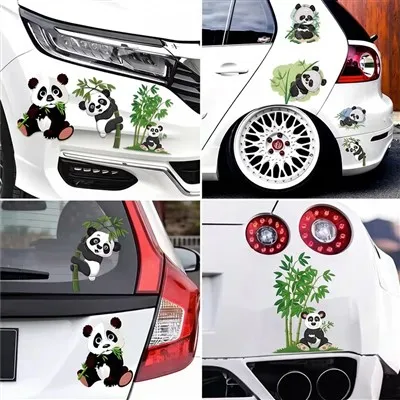
If you’re interested in learning more about how cartoon stickers can work for your podcast, or if you have questions about choosing the right stickers, adding them to your video, or anything else related to podcast stickers, I invite you to get in touch. We’d love to help you make your show stand out, keep your viewers engaged, and build a loyal audience that comes back week after week.
Self-adhesive Labels References:
- Edison Research. (2023). Podcast Consumer Listening Report.
- Podcast Host Alliance. (2024). Video Podcast Growth & Engagement Survey.
- YouTube Community Guidelines. (2024). Content Policies for Video Creators.
- Spotify for Podcasters. (2024). Video Podcast Best Practices.
Nanjing Green Label Printing Co., Ltd.
We are one of the most professional cartoon stickers manufacturers and suppliers in China, also support customized service. We warmly welcome you to wholesale high quality cartoon stickers at competitive price from our factory. For pricelist and quotation, contact us now.
Address: No. 116-3 Suyuan Avenue, Jiangning District, Nanjing
E-mail: greenlabel@126.com
WebSite: https://www.chinalabelprint.com/
