When it comes to various applications, from agricultural greenhouses to industrial roofing, the choice of polycarbonate corrugated sheet thickness is a critical decision that significantly impacts the performance and longevity of your project. As a reliable supplier of polycarbonate corrugated sheets, I’ve witnessed firsthand how the right thickness can transform a project from mediocre to outstanding. In this blog, I’ll share some insights on how to select the appropriate thickness of polycarbonate corrugated sheets for specific applications. Polycarbonate Corrugated Sheet
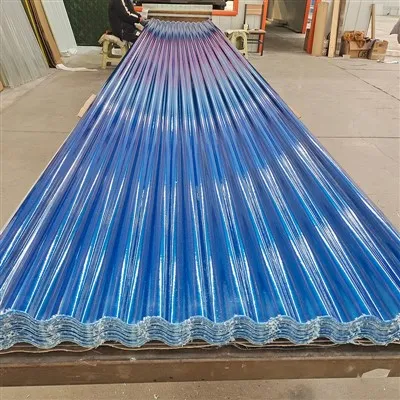
Understanding Polycarbonate Corrugated Sheets
Polycarbonate corrugated sheets are widely used due to their excellent properties. They are lightweight, yet incredibly strong, with high impact resistance that far surpasses traditional glass. They also offer good thermal insulation, UV protection, and transparency, making them suitable for a variety of indoor and outdoor uses. These sheets come in different thicknesses, generally ranging from 4mm to 25mm, each designed to meet different application requirements.
Factors Influencing the Thickness Choice
1. Structural Requirements
One of the primary considerations when choosing the thickness of polycarbonate corrugated sheets is the structural load the sheets need to bear. For instance, in a greenhouse, the sheet must support its own weight, as well as additional loads such as snow, wind, and any equipment hung from the roof. In areas with heavy snowfall, thicker sheets are essential. A 10 – 16mm thick sheet can provide the necessary strength to withstand the weight of accumulated snow without sagging or breaking.
In an industrial setting, where the roofing might need to support maintenance equipment or even human access, a thicker sheet, perhaps 16 – 25mm, would be more appropriate. These thicker sheets have higher flexural strength, which ensures they can handle the added stress without compromising the integrity of the structure.
2. Thermal Insulation Needs
Thermal insulation is a crucial factor, especially in applications like greenhouses and building roofing. Thicker polycarbonate corrugated sheets generally offer better thermal insulation. The air cavities within the corrugations act as insulators, and a thicker sheet typically has more or larger air cavities.
For a greenhouse, where maintaining a stable temperature is vital for plant growth, a 6 – 10mm sheet can provide a reasonable level of insulation. However, in colder climates, a 16mm or even 25mm sheet would be more effective at reducing heat loss, resulting in lower energy costs for heating the greenhouse.
3. Light Transmission Requirements
In applications where natural light is important, such as in atriums or some industrial buildings, light transmission becomes a key consideration. Generally, thinner sheets allow more light to pass through. A 4 – 6mm polycarbonate corrugated sheet can provide high light transmittance, up to 90% in some cases.
However, it’s important to note that while thicker sheets transmit less light due to the increased material and more air cavities, they also diffused the light better. This can be an advantage in applications where direct sunlight might cause glare or overheating, such as in a factory or a carport.
4. Cost – Benefit Analysis
Cost is always a factor in any project. Thicker polycarbonate corrugated sheets are more expensive than thinner ones. Therefore, it’s essential to conduct a cost – benefit analysis. You need to balance the upfront cost of the sheets with the long – term benefits such as durability, energy savings, and reduced maintenance.
For example, while a 4mm sheet might be cheaper initially, it may not have the same lifespan or performance as a 10mm sheet in a harsh environment. In the long run, the 10mm sheet could save you money on replacements and repairs, making it a more cost – effective choice despite the higher initial investment.
Application – Specific Thickness Recommendations
1. Agricultural Greenhouses
In most cases, for greenhouse applications, a thickness of 6 – 10mm is commonly used. This thickness provides a good balance between light transmission, thermal insulation, and structural strength. It allows sufficient sunlight to enter the greenhouse for plant growth while helping to maintain a stable temperature inside.
In regions with extreme weather conditions, such as heavy snowfall or strong winds, a 16mm sheet might be a better option. It can withstand the additional loads and provide enhanced durability, protecting the valuable crops inside.
2. Industrial Roofing
Industrial buildings often require a higher level of durability and strength. For industrial roofing, a thickness of 10 – 25mm is recommended. Thicker sheets can handle the weight of equipment and potential foot traffic during maintenance. They also provide better protection against harsh weather elements, such as hail and strong winds.
If the industrial building is located in an area with high – intensity sunlight, a thicker sheet with good UV protection can prevent the degradation of the roofing material over time.
3. Carports and Canopies
For carports and canopies, a 4 – 6mm polycarbonate corrugated sheet is usually sufficient. These sheets are lightweight and provide good protection from the sun and light rain. They also allow enough light to pass through, creating a bright and pleasant environment.
However, if the carport or canopy is in an area prone to heavy hail or strong winds, a 10mm sheet would be a safer choice to ensure long – term durability.
4. Atriums and Conservatories
In atriums and conservatories, where light transmission is crucial, a 4 – 8mm sheet is often used. These sheets allow a large amount of natural light to enter, creating a bright and inviting space. The diffused light provided by the sheets can also enhance the aesthetic appeal of the interior.
If the atrium or conservatory is in a location with significant temperature variations, a thicker sheet, around 10 – 16mm, can be considered to improve thermal insulation.
Making the Right Decision
Choosing the right thickness of polycarbonate corrugated sheets requires careful consideration of multiple factors. It’s not just about picking the thickest or the thinnest sheet; it’s about finding the perfect balance for your specific application.
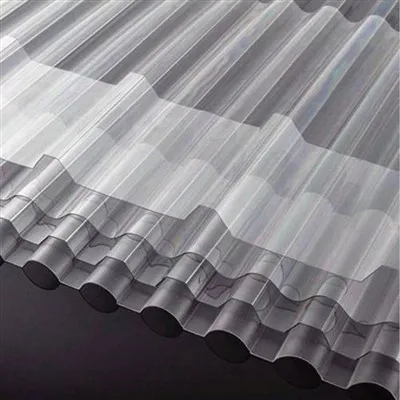
As a supplier, I’m here to help you make an informed decision. I can provide you with detailed product specifications, performance data, and even samples so that you can see and feel the difference in thicknesses. Whether you’re a farmer building a new greenhouse, an industrial contractor working on a roofing project, or a homeowner looking to add a carport, I have the expertise and the products to meet your needs.
PU Sealed Rockwool Sandwich Panel If you’re interested in learning more about our polycarbonate corrugated sheets or need assistance in choosing the right thickness for your project, don’t hesitate to reach out. Contact us today to start a conversation about your requirements, and let’s work together to find the best solution for your specific application.
References
- "Polycarbonate Sheet Technology Handbook"
- "Building and Agricultural Applications of Plastics"
- Industry reports on polycarbonate corrugated sheet performance and usage.
Handan Donghong Fiberglass & Color Steel Manufacturing Co., Ltd.
Handan Donghong Fiberglass & Color Steel Manufacturing Co., Ltd. is one of the most professional polycarbonate corrugated sheet manufacturers and suppliers in China, featured by quality products and good price. Please rest assured to wholesale durable polycarbonate corrugated sheet made in China here and get quotation from our factory. Customized orders are welcome.
Address: South side of the road, 2,000 meters west of the intersection of Nanhuan Road and Airport Road, Hanshan District, Handan City.
E-mail: leo@dhpcfrp.com
WebSite: https://www.dhfrpsheet.com/
